
They can result in the imposition of overdraft fees, negatively impact credit scores, and even lead to legal action. It is crucial for individuals to manage their finances responsibly, keep track of their account balances, and promptly address any outstanding checks to avoid these potential . By staying vigilant and proactive, individuals can protect their financial well-being and maintain a positive credit history. What are the legal implications and regulatory requirements regarding outstanding checks? When it comes to handling outstanding checks, there are various laws and regulations that impact both payors and payees. For instance, unclaimed property laws require businesses to report and remit abandoned or stale checks to state authorities if they remain unclaimed for a specified period (usually 3-5 years).

Update Accounting Records
Sometimes the statement end date is based on the date the account was opened. If the payee doesn’t deposit the check right away, it becomes an outstanding check. If what are retained earnings the payor doesn’t keep track of his account, he may not realize the check hasn’t been cashed.
- The process of cashing or depositing the check is called “clearing the check.” If the payee decides not to deposit or cash the check right away, it remains outstanding.
- Such risks may include potential legal action taken against the individuals or entities that issued them, as well as penalties.
- If they haven’t received payment, this may encourage them to deposit or cash the check.
- Tools like digital banking apps, online money transfers, and direct deposits offer instant, effortless transactions in real-time.
- To avoid the delay in delivery for the check, it is important to mail it immediately.
Streamline reconciliation with bank reconciliation software
This creates a difficult scenario because two checks may be circulating for a single payment. If the old check is deposited, your bank may honor it, and you may end up paying twice. Below, we outline the crucial stages of managing outstanding checks through escheatment.

What can happen if an outstanding check is not cleared?

Before diving in any further, if this is your what does outstanding check mean first time visiting GlobalBanks, don’t forget to download your FREE US Banking Starter Guide. It’s designed to help non-residents with opening bank accounts at top financial institutions in the US. Provided you maintain vigilance and embrace technology, you can handle outstanding checks with ease. Maneuvering through the financial labyrinth of checks, especially outstanding checks, demands awareness and action.
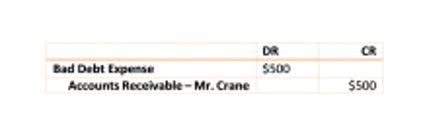
Journal entry to write-off outstanding – Expense
If they are unable to provide the old check, you might want Outsource Invoicing to consider asking you bank for a “stop payment” on the old check. Unfortunately, stop payment requests cost money, and they only last for six months which means you may have to repeat the process. Besides of two examples above, the company may use the check to pay for expenses such as consulting services, utilities, and other services.
- By keeping track of this information, individuals can easily identify which checks are outstanding and take appropriate action.
- Setting up alerts for large or unusual transactions can also help prevent outstanding checks.
- Unaccounted-for outstanding checks can disrupt the delicate balance of incoming and outgoing funds.
- Some businesses print “Void after 90 days” on their checks to encourage recipients to deposit checks more promptly.
- When you write a check to make a payment, it takes time for the recipient to deposit and process the funds.